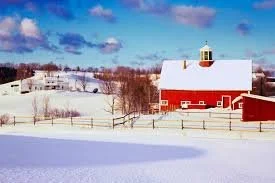
The focus of my course of Seminary of the Wild in the month of December is why are you here in this place, this land, at this time. Now since I just moved, I’ve been asked this question a fair amount, and I have a canned answer that I rattle off. “I desperately needed to live rurally, I wanted to live some place progressive and had Jews, and that meant this corner of the United States or Northern California, and I wanted to live in this ecosystem and I think everyone from Northern California is going to be a climate refugee.” Sometimes I answer that in an age of Trump and all as a Jew with a long memory of pogroms, rural places I’ve lived before which would have felt safe enough, now don’t feel safe at all.
This is an answer from my head. It’s true enough, and it is a result of my reasoning things out in an intellectual way, taking cognizance of my felt need for rural life and for safety. As soon as they asked this question, I knew a deeper answer was possible, I just didn’t know what it was.
I can tell you why I lived in New Mexico in my late 20’s. I needed a landscape that was as desolate as my soul felt so that I could gain access to my inner emptiness. But I only knew that in hindsight; all I had at the time was that it felt right. Then when I moved back east, all of the decisions I made about where I might live were based on the same kind of reasoning that led me to Vermont—all the factors I intellectually considered the most important put into some kind of informal decision matrix. Something deeper is possible.
So I’ve sat with this question. Why am I here in Southern Vermont, on this land, at this time? In this land of long winters and cold weather for a guy who likes hot weather? I’ve asked this in my journals, I’ve asked this in my prayers sitting outside, I’ve asked this walking in the woods over the snow (never realized you could do this, it’s a new experience for me). I’ve come up with two possible paths to walk.
There’s something about my ancestral heritage for me to learn by being here. As an Ashkenazi Jew from Eastern Europe, long cold snowy winters were us. How many Hasidic stories are there about the poor woodchopper in the hut in the woods in the deep snow of winter? In my imagination, Eastern Europe was a land where the sun didn’t shine brightly (I remember reading Camus’ the Malentendu in college and nodding in recognition at his portrait of Prague in contrast to the sun of Algeria) and the land disappeared under a blanket of snow for long, long months. Kind of like Vermont.
Am I honoring my ancestors? Maybe. Am I being called into some kind of deeper relationship with them? Maybe. I don’t know, but I will keep sitting with the snow and cold of Vermont, as my ancestors lived in the cold and snow of Eastern Europe.
The second clue lies in the long winter and the short days. This land in winter calls me to slow down in a way that mid-Atlantic winters just didn’t. I don’t know how much of it is that days are shorter, colder and cloudier, but it feels really different and feels like a message of slow down, slow down. I look around for a wood stove in a way I never did anywhere else I lived (I don’t have one because I’m renting and none are allowed). I’m not sure what lesson I am supposed to take from slowing down, but I am supposed to slow down, of that I have no doubt.
So what can you learn from where you are living in that place at this time?